What can we learn from young, working-class men in West Yorkshire?
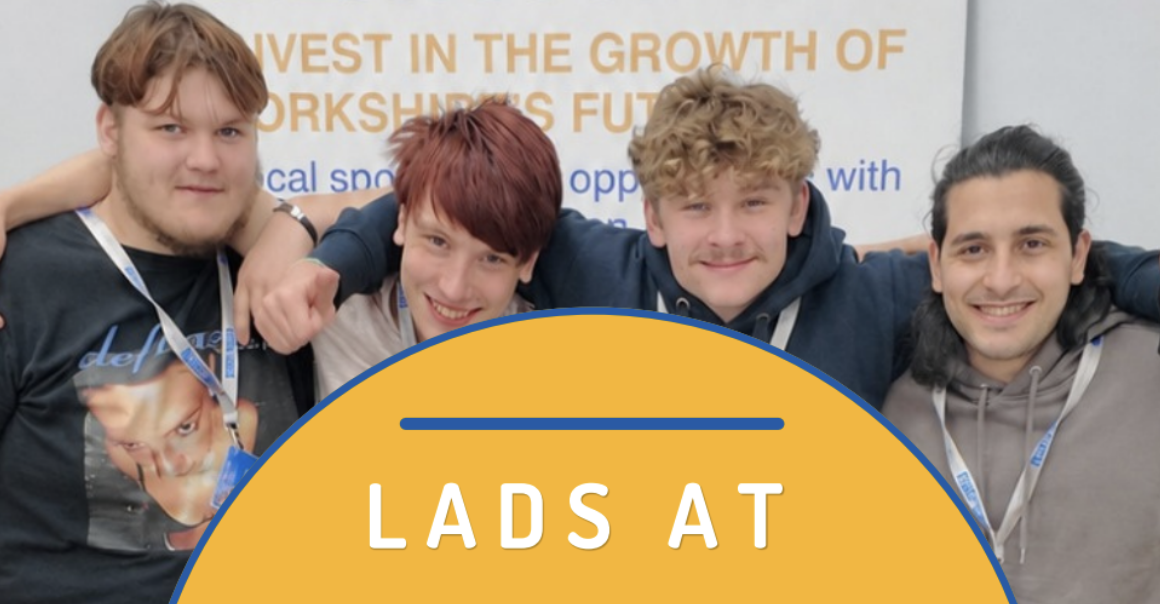
Led by young peer researchers in Leeds and Wakefield, the Lads at the Back project put young men’s voices at the centre of the conversation and challenged persistent assumptions about boys and education.
The research involved 182 young men aged 13 to 23 and 45 professionals working across West Yorkshire. Rather than asking why young men “don’t care” about education, the project explored the barriers that make engagement difficult and what support young men believe would make a difference.
One of the clearest messages for outreach practitioners is that educational disengagement is rarely about a lack of aspiration. Participants consistently demonstrated that they value education and want to succeed. However, many described experiencing barriers including poor mental health, low motivation, financial difficulties, feelings that education was not designed for people like them, and a lack of proactive support from adults.
The findings have significant implications for widening participation and outreach activity. Young men repeatedly highlighted the importance of trusted relationships. Those with positive educational experiences often described the influence of a supportive adult who listened, encouraged them, and treated them with respect. Equally, respondents connected feelings of being heard and understood with stronger motivation, improved wellbeing and a greater sense of belonging.
For outreach teams, this suggests that relationship-building should be viewed as an outcome in itself, rather than simply a vehicle for delivering information about higher education. Sustained engagement, mentoring approaches and opportunities for meaningful conversations may be just as important as providing guidance on university pathways.
The research also highlights the importance of relevance. Young men consistently asked for more practical, engaging and real-world learning experiences. Responses such as “give them more practical options” reflected a desire to understand how education connects to future opportunities and everyday life.
This presents a challenge and an opportunity for higher education outreach. Programmes that showcase hands-on activities, vocational routes into degree-level study, employer engagement and applied learning may resonate more strongly with young men who struggle to see themselves reflected in traditional academic narratives.
Perhaps the most powerful lesson from the project is captured in the Lads at the Back Charter. Young men said they want to enjoy education, be heard, learn effectively and be part of the solution. They did not ask for lower expectations. Instead, they requested stronger relationships, better communication, earlier support and opportunities to shape the educational environments around them.
For higher education providers, this reinforces the importance of co-creation. If universities are serious about improving access and participation among working-class young men, they must move beyond designing interventions for young people and instead design them with young people. Peer research, student consultation and youth-led programme development can help ensure outreach activity reflects the lived experiences of the communities it seeks to serve.
The report’s central conclusion is simple but powerful: young men experience the best educational outcomes when professionals are proactive rather than reactive in responding to barriers.
James Rew, Luminate Group HE Access and Participation Research and Evaluation Manager, & Chair of the West Yorkshire Boys’ Impact Hub