Project explores why young men are more likely to disengage from education
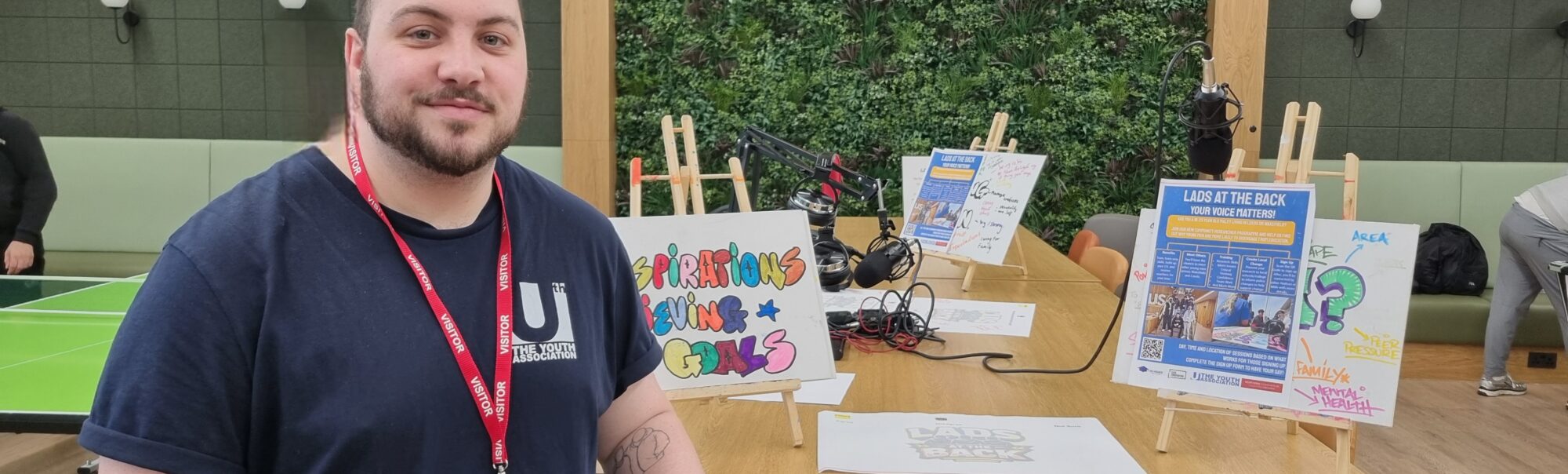
The Lads at the Back programme is facilitated by The Youth Association in partnership with Go Higher West Yorkshire and the West Yorkshire Boys’ Impact Hub. The project aims to recruit, train, and support a group of young men to become peer researchers, empowering them to explore the question: Why are young men more likely to disengage from education?
The programme’s name, Lads at the Back, seeks to reclaim a phrase traditionally used in classrooms to call out disengaged or disruptive boys. Historically, it carried negative connotations associated with distraction and poor behaviour. This initiative aims to redefine that narrative, demonstrating how trust, investment, and empowerment can help build a generation of young men who are engaged, reflective, and committed to positive change.
Recruitment focused on young men aged 16–23 from Leeds and Wakefield, reflecting the group at the heart of this research. It also prioritised individuals from disadvantaged backgrounds, ensuring those most affected by the issue have the opportunity to shape the future of education in their communities. Guided by the Working with Boys framework, youth workers developed a plan to train participants in peer research while giving them full ownership of the project’s direction. By placing trust in their voices, the programme empowers participants to shape Lads at the Back into something meaningful and impactful.
To create genuine, real-world impact, the programme aims to work alongside two schools and two college providers, supporting them to reflect on their policies and cultures in response to the research findings. Go Higher West Yorkshire and Luminate Education Group have played a key role in building partnerships with institutions across Leeds and Wakefield, including West SILC (West Specialist Inclusive Learning Centre) Leeds, Minsthorpe Community College, Heart of Yorkshire Education Group, and Leeds City College.
During the delivery of the programme, youth workers recognised the importance of adopting a flexible and iterative approach. Sessions are now shaped around the group’s evolving needs, allowing the young men to guide the process and influence the direction of their learning. So far, participants have designed a questionnaire aimed at capturing the educational experiences of young men aged 16–23, alongside another survey gathering perspectives from professionals who work with young men. These tools explore both lived experience and professional insight into why disengagement occurs.
In addition to this, the group is planning and facilitating a series of focus groups to gather deeper qualitative data. They have developed a discussion guide and undertaken training to build the skills and confidence needed to lead meaningful conversations.
A key milestone in the programme so far has been the opportunity for participants to meet with Simon Lightwood, MP for Wakefield. This meeting provided a valuable platform for the young men to share their developing ideas, discuss the challenges facing young men in education, and feel their voices recognised at a political level. The experience reinforced the importance of their work and demonstrated how their research can influence conversations beyond their immediate communities.
Looking ahead, the group aims to increase participation in their online surveys and complete their focus group sessions to further strengthen their research. In July, they will present their findings and reflect on their journey with West Yorkshire Boys’ Impact Hub and Go Higher West Yorkshire, celebrating both their achievements and the voices they have amplified.
Nathan Martin, Lead Youth Worker, The Youth Association